Download Family Island APK 2026142.0.91495 Free for Android
Melsoft Games Ltd APK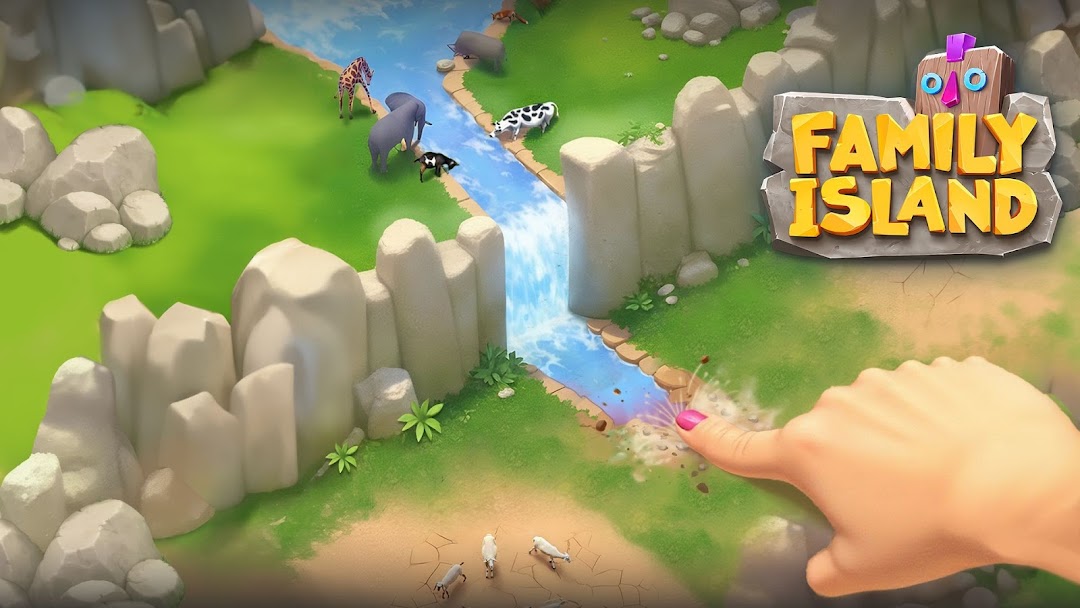
| Tên | Family Island™ — Farming game |
|---|---|
| Nhà phát hành | Melsoft Games Ltd |
| Phiên bản | 2026142.0.91495 |
| Kích thước | 643MB |
| Yêu cầu | Android 7.0 |
| Google Play | Google Play ↗ |
| Danh mục | Simulation |
| Lượt tải | 4 |
| Giá | MIỄN PHÍ |
| Đánh giá |
★
★
★
★
★
0/5
(0)
|
| Tác giả | |
| Cập nhật |
Family Island has passed 75 million downloads as a Stone Age farm sim where energy, not coins, is the resource you actually run out of.
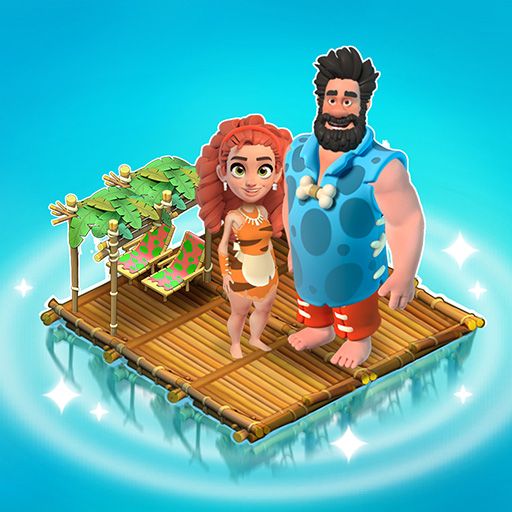
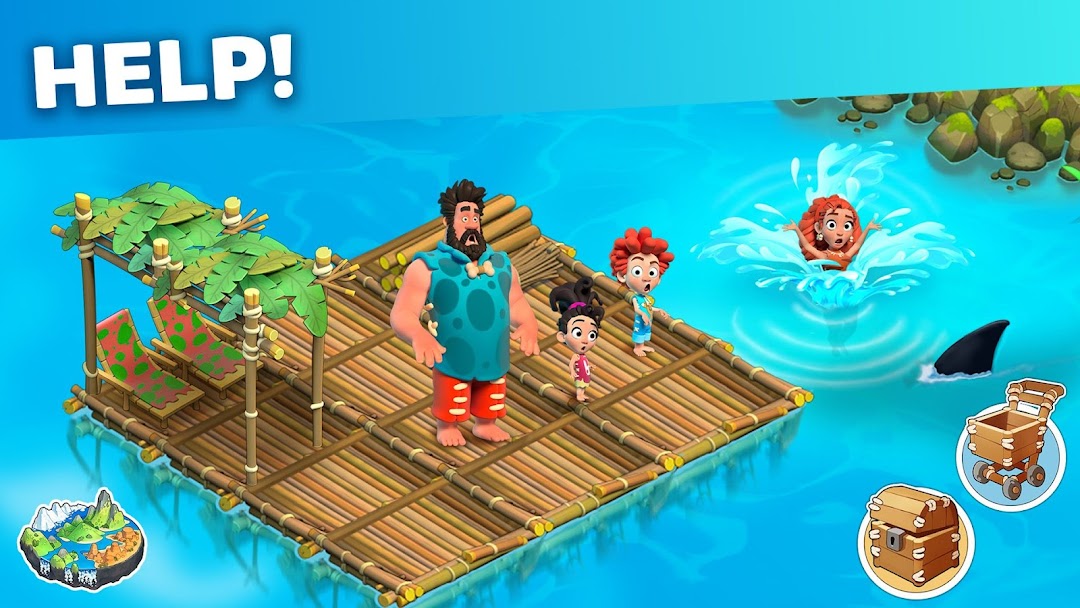
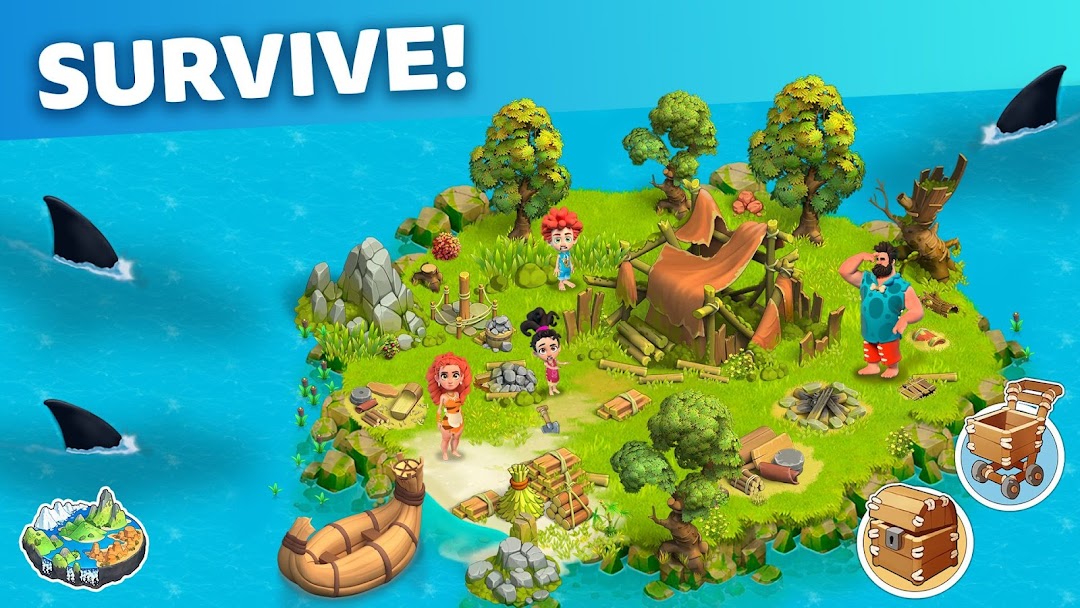
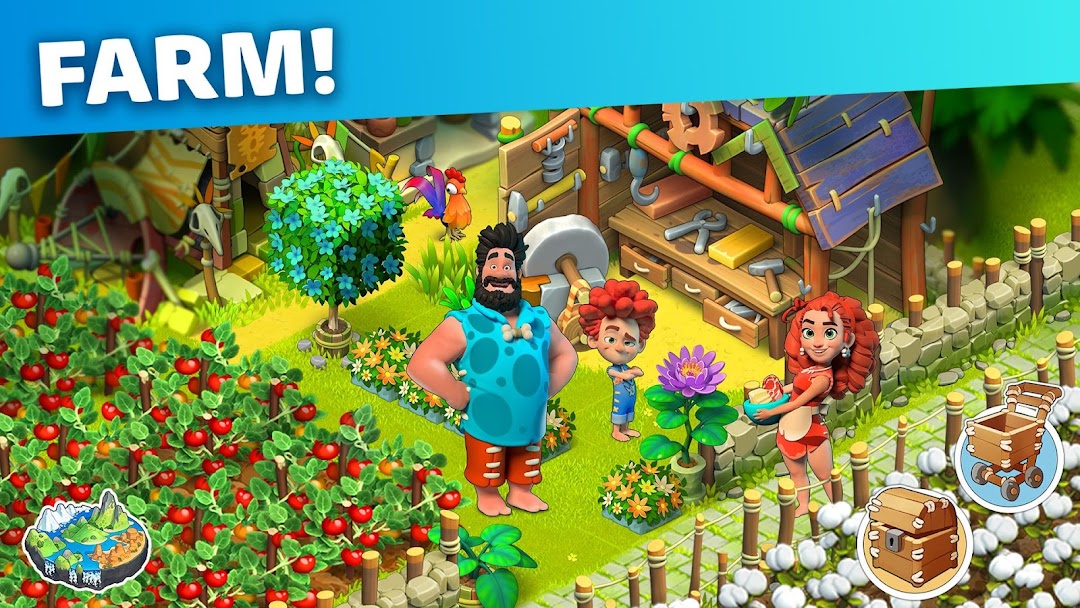
Family Island™ — Farming game is a casual farming simulation and adventure title from Melsoft Games Ltd, live on Android (7.0 and up) since July 2019 and now sitting on a 4.48 rating from more than 1.5 million reviews. You guide a modern Stone Age family, Bruce, Eve, and their kids Tim and Lizzy, after a volcanic eruption wipes out their old city and strands them on a deserted island. The loop blends three jobs into one: farm crops, cook meals, and clear wild terrain to expand. It plays offline, so progress keeps moving with no connection, and the energy economy sits at the centre of everything you tap.
- Energy is the single resource that gates every action
- How farming, cooking, and crafting refill your energy bar
- Home Island, Wandering Islands, and the story islands you clear
- Trading with the Merchant and Shaman Ozzy for rubies
- Why weekly events drive most of the late-game rewards
- What’s new in Family Island version 2026142.0.91495
- Family Island MOD APK features
- Frequently asked questions
Energy is the single resource that gates every action
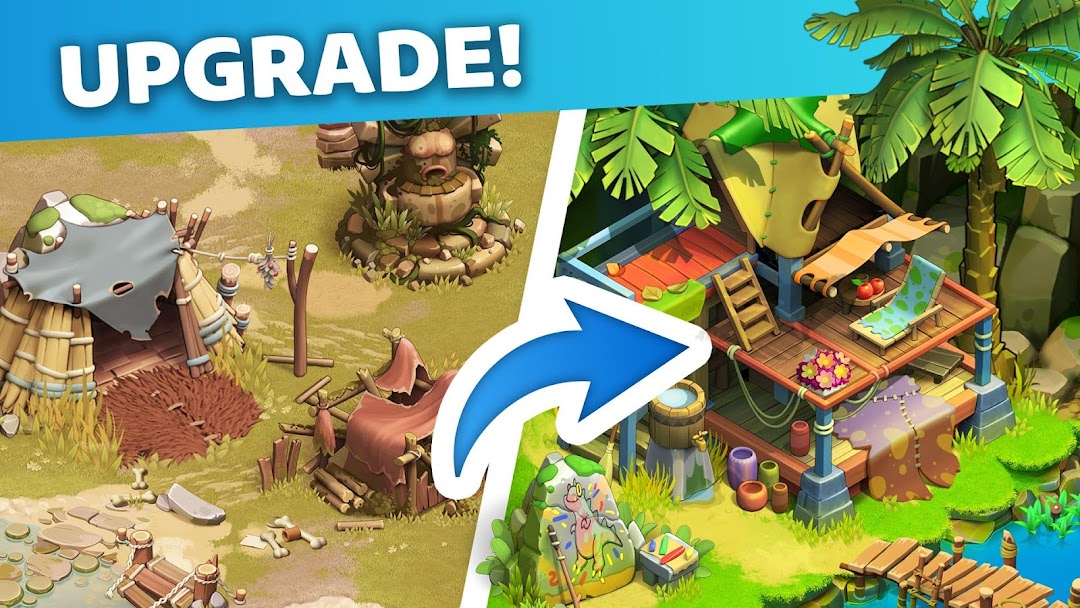
Energy, not rubies or coins, is the bottleneck that decides how far you get in one sitting. Every chop, dig, harvest, and tap on a bush spends it, and it refills slowly on a timer while you are away. Each house tier you build raises the energy cap, so upgrading the family home is less about looks and more about how much work you can bank before hitting the ceiling.
There are three reliable ways to top up energy without paying:
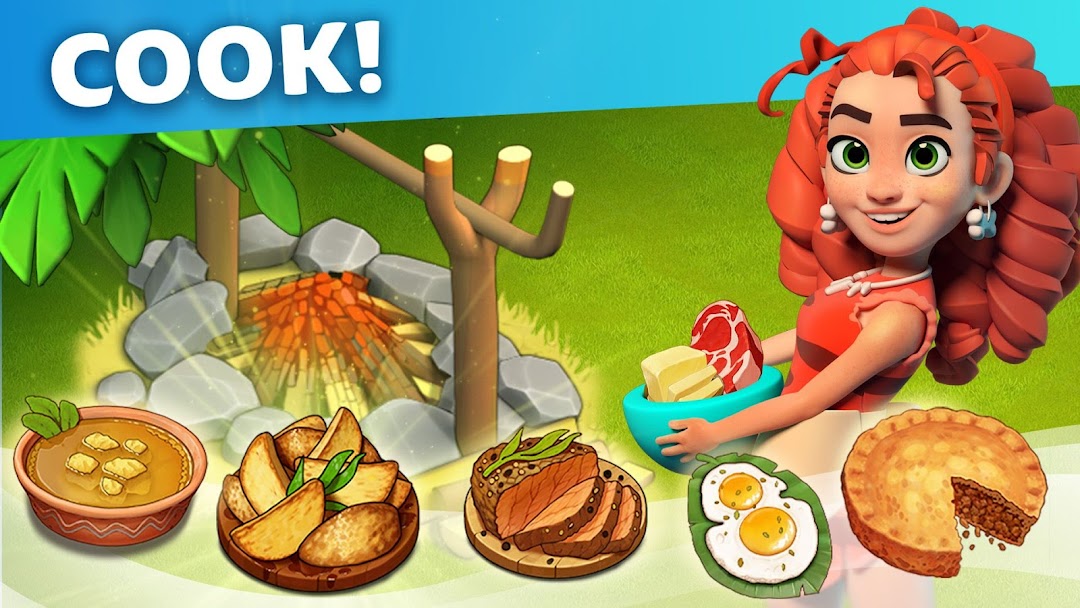
- Eating cooked food: meals made in the Kitchen restore energy directly, and food can push you above the normal cap (rewards and rubies can too, but food only works when you are not already maxed).
- Watching rewarded ads: the game serves roughly 3 to 5 short video ads per day, each handing back around 25 to 50 energy, which is the fastest free boost when you stall mid-quest.
- Passive generators: the Time Fountain ticks out free energy over time, and daily login on the 7-day reward calendar drops energy, materials, or rubies depending on the day.
The practical takeaway most guides skip: rubies convert into energy on demand, which is why rubies feel like the real premium currency even though energy is what you spend minute to minute. Burn energy only on objects tied to your current quest rather than clearing every tree on sight, or the bar empties before the task is done.
How farming, cooking, and crafting refill your energy bar
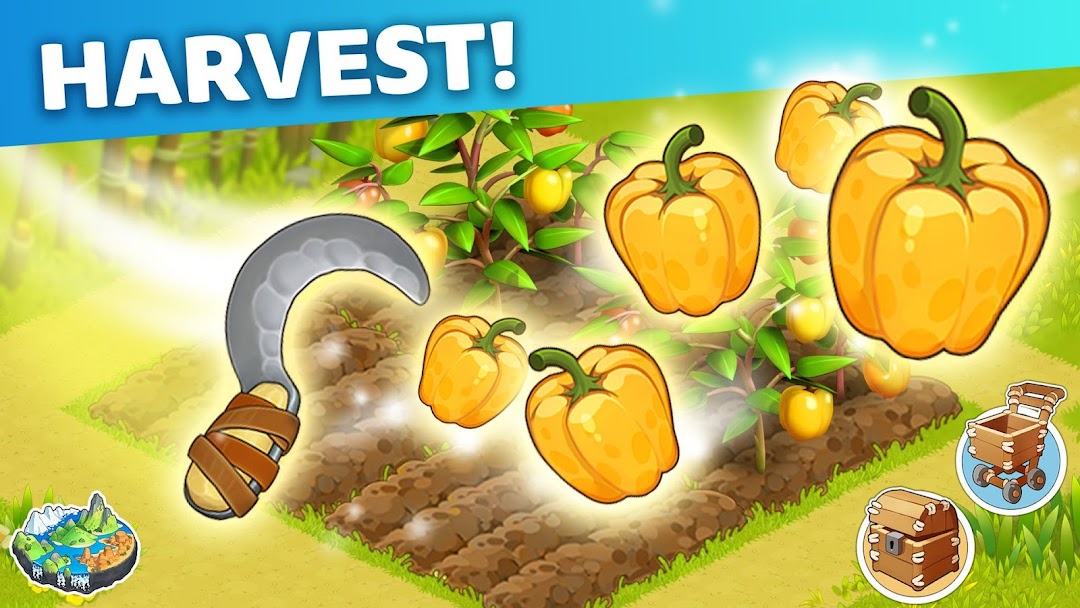
The farm exists to feed the Kitchen, and the Kitchen exists to refill energy, so the whole chain is a closed loop you keep spinning. You grow crops in field plots, harvest them, and turn raw ingredients into meals that the family eats for energy. Higher Kitchen tiers unlock recipes that return more energy per dish, which is why upgrading cooking buildings pays off faster than chasing decorations early on.
Crafting layers on top. By Level 2 the game already has you making string, fried roots, and salt while building your first Dinner Table and Loom. Workshops then process raw goods into the components that quests and trade orders demand. A few examples of how the production tree branches:
- The Mill: produces chicken food, which you feed to chickens to collect eggs, a staple ingredient in mid-game recipes.
- The Loom: turns wool into thread and cloth, used for both crafting and event tasks such as the purple thread needed during the Lamp Island story.
- The Jewelry Workshop: unlocks around Level 36 through a talk with Eva, opening higher-value goods for trade.
Resources are gated by location and level rather than handed out freely. Silver comes from stones in the river on Muskelon Island starting at Level 37, fir cones start dropping from fir trees at Level 8, and skulls only appear in shaman order rewards once you hit Level 20. That gating is the reason you cannot rush the tech tree, every recipe upstream waits on a resource locked behind a level or an island.
Home Island, Wandering Islands, and the story islands you clear
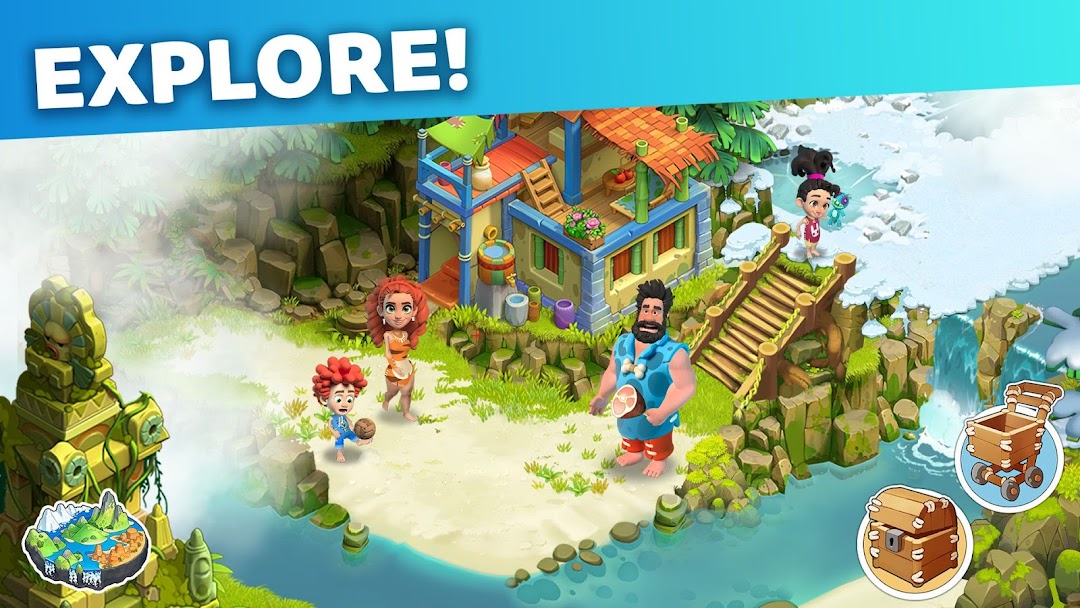
Family Island is not one map, it is a hub-and-spoke chain of islands, and Home Island is the only one you keep permanently. Home Island is where you farm, cook, build, and host the Merchant and Shaman. Everything else branches out by boat into story islands and short Wandering Islands that you visit, strip for resources, and often leave behind.
The Wandering Islands rotate through themed stops like Hippo Island, Raccoon Island, Ribbiting Island, and Turtle Island, and collecting a totem on each one unlocks crafting plans you carry home. The larger story islands run multi-stage quest lines:
- Muskelon Island: opens at Level 37 and is the main source of silver from its riverbed stones.
- Sapphire Island: finishing its story unlocks sapphire ponds, the supply for sapphire-gated crafting.
- Treasure Island, Bouncy Island, and Island of Tears: each lock sections behind specific quest items, so you often return once a workshop back home can craft the missing tool.
The point newer players miss: visiting an island does not mean finishing it. Many islands gate their final reward behind a resource you cannot make yet, so the smart move is to grab what is reachable, sail home to level the right workshop, then come back. Your Home Island and its energy cap travel with you, so building up the home base is what makes far-flung islands clearable at all.
Trading with the Merchant and Shaman Ozzy for rubies
The Merchant and the Shaman are your two best non-event sources of rubies and rare materials, and each works on a strict order-chain timer. The Merchant arrives by boat and stays only 15 hours, asking for a chain of goods. Complete fewer than 5 orders and he leaves with no reward, hit higher counts (up to 9 orders per visit) and the payout climbs, so it pays to watch the clock when he docks.
Ozzy the Shaman lives on the right side of Home Island, but he is not available from the start. You first build the bridge to that side and repair his altar, then tap it to see his requests. He hands a prize for every set of 5 requested items delivered, and like the Merchant, his orders run on a limited timeframe.
Both characters share a refresh mechanic that most quick guides overlook: if you dislike the listed orders or the preview reward (tap the gift icon to see it first), you can refresh the set and pull new requests. The trade-off worth knowing is that declining too many Merchant orders can lower the quality of his next visit, so refresh with intent rather than spamming it. Skulls, salt, claws, and seashells all flow primarily through these order chains, which makes the Merchant and Shaman the backbone of mid-game crafting.
Why weekly events drive most of the late-game rewards
Past the early levels, limited-time events hand out more rubies, energy, and exclusive decorations than the core story does, and a new one lands almost every week. They split into a few recurring formats, each with its own mini-loop:
- Adventure islands: Gold Island is a time-limited island where you craft and earn Gold items before it closes, and Lamp Island ran a full story with Sultan’s Island, Princess Ethel, and Timmy trapped in a magic lamp.
- Merge and puzzle events: you drag and combine items into higher-tier objects, or collect puzzle pieces to complete a picture for decoration prizes.
- Board and race events: the Family Board Game has you roll dice across squares for rewards, while Prize Rush and the leaderboard-driven Dragore Rally reward speed and ranking.
The deeper system worth chasing is Family Adventures, the festival-style events fronted by Bruce, Eva, and Lizzy. You earn points by completing festival tasks (feed chickens, cook food, trade with the Shaman) and climb a milestone bar toward home decorations that keep paying out. The Ruby Castle, upgraded with Ruby Coins, periodically dispenses rubies and resets once you collect the cap, while the Mysterious Altar takes Hero Coins and produces Time Spheres. These milestone buildings are the reason events matter long after the prize itself, they turn a one-week festival into a permanent ruby and energy source on your Home Island.
What’s new in Family Island version 2026142.0.91495
Version 2026142.0.91495 is the current Android build, rolling out in May 2026 on a roughly two-week cadence (the prior public builds were 2026120.0.91002 on April 29 and 2026102.1.90783 on April 18). The official patch notes for these releases focus on the same two areas each cycle:
- Bug fixes: stability and quest-progression fixes so order chains, island stories, and event tasks track correctly.
- Performance enhancements: load-time and smoothness improvements, relevant given the install plus data pack runs over 600 MB on device.
The bigger reason to stay updated is that new playable content arrives through rotating limited-time events rather than the version notes themselves. Recent live events documented on the official channels include Token Wheel Blast, Prize Rush, the Family Board Game, and the Dragore Rally leaderboard tournament, alongside returning adventure islands like Gold Island. Build 2026142.0.91495 requires Android 7.0 or higher and keeps full offline play, so an installed update keeps progressing even without a connection.
Family Island MOD APK features
The MOD build targets the two walls every Family Island player hits: the slow energy refill and the ruby cost of skipping waits. It keeps energy and rubies stocked so you can clear islands, refresh Merchant orders, and finish timed events like Gold Island before they close, instead of stalling out and waiting on the timer.
Unlimited Energy
Energy stays full instead of trickling back on the auto-refill timer or capping at the limit your current house tier allows. You can chop trees, mine silver on Muskelon Island, and clear bushes on Treasure Island in one continuous session without eating cooked meals or burning the 25 to 50 energy you would normally scrape from 3 to 5 daily ads. This matters most during time-limited adventure islands like Gold Island, where the island closes after a set window and a stalled energy bar means lost rewards.
Unlimited Rubies
Rubies stay topped up rather than rationed out through daily logins, order rewards, or real-money packs. With a full ruby stock you can refresh Merchant and Shaman order chains until you get the set you want, buy energy bundles on demand, and skip construction or crop timers instantly. It also lets you fully upgrade festival buildings like the Ruby Castle without grinding Ruby Coins across multiple events.
Free Shopping
In-game shop items carry a zero cost in this build, including energy bundles, ruby packs, decoration sets, and the limited starter offers the game pushes between levels. In the stock version these run on real-money in-app purchases, so a player chasing the Jewelry Workshop goods at Level 36 or stocking up before a festival can grab them outright instead of paying.
No Ads
The interstitial ads that pop between sessions are removed, and the rewarded energy you would normally earn by watching 3 to 5 video ads per day is granted without the wait. The stock loop ties one of its fastest free energy sources to ad views, so cutting them out means no 30-second clips between every quest stretch.
The note below sums up where the MOD build changes the core Family Island grind, so you can see exactly what shifts before downloading.
| Note: the biggest gap is the energy economy and ruby supply, the two systems the stock game uses to pace your progress and sell speed-ups. | ||
| Criteria | Stock APK | MOD APK |
|---|---|---|
| Energy | Auto-refills on a timer, capped by house tier | Stays maxed, no refill wait |
| Rubies | From daily rewards, orders, or paid packs | Stocked for refreshes, speed-ups, energy |
| Free energy from ads | 3 to 5 ads per day, 25 to 50 energy each | Granted without watching ads |
| Shop items (energy and ruby bundles) | Real-money in-app purchases | Free shopping, zero cost |
| Merchant order refresh | Limited, refreshing costs progress | Refresh freely with spare rubies |
| Interstitial ads | Shown between sessions | Removed |
Frequently asked questions
Is the Family Island MOD APK safe to install?
A MOD is a modified package, not the official store build, so install it only from a source you trust and on a secondary account if you want to be cautious. The version offered here is checked before listing, but any modded file changes the original game code, which is something to weigh against the convenience of unlimited energy and rubies.
Will the MOD get my Family Island account banned?
Modded resource values can be detected by the game’s servers, and using one on your main account carries a ban risk that the stock version does not. Many players keep MOD progress separate from a long-running account they care about. The safest approach is a fresh or throwaway account rather than the save tied to your highest island and festival buildings.
Does Family Island work offline?
Yes. Family Island is built as an offline adventure, so core farming, cooking, building, and island clearing keep working with no connection. You will need to go online to sync daily reward links, join time-limited events like Gold Island, and trade in leaderboard tournaments such as Dragore Rally, but the day-to-day energy loop runs without wifi.
How do you earn free energy and rubies in the stock version?
Stack the free sources: claim the 7-day daily reward calendar, watch the 3 to 5 rewarded ads for 25 to 50 energy each, and complete Merchant and Shaman order chains for rubies and rare goods. Festival buildings like the Ruby Castle keep dispensing rubies after events end, and the Time Fountain ticks out energy passively while you are away.